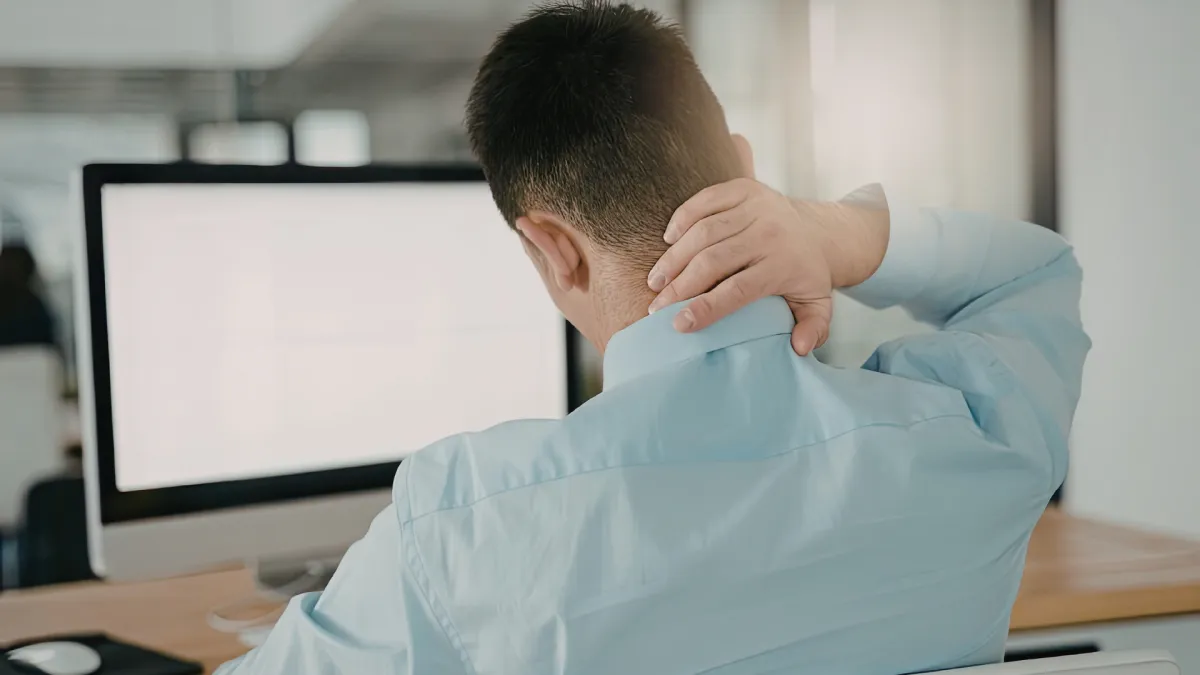
Why Sitting Is One of the Biggest Health Challenges Today | Chiropractor - O'Fallon, MO
For many people, sitting doesn’t feel like a health concern.
It’s part of the workday. Part of driving. Part of relaxing at home.
But what most people don’t realize is this:
Sitting has quietly become one of the biggest physical stressors on the body today.
At Rise Family Chiropractic in O’Fallon, Missouri, we regularly see people dealing with tension, stiffness, fatigue, and posture-related issues...and prolonged sitting is often a major contributor.
The Modern Lifestyle Is Built Around Sitting
Think about a typical day.
You may start your morning sitting during breakfast, then move into a full day at a desk. Add in commuting, screen time, and unwinding in the evening, and it’s easy to spend 8–12 hours sitting without even realizing it.
This isn’t how the body was designed to function.
According to the Mayo Clinic, prolonged sitting has been linked to a variety of health concerns, including poor posture, muscle imbalances, and decreased circulation.
Over time, these patterns can begin to affect how your body feels and functions daily.
What Sitting Actually Does to Your Body
When you sit for long periods, your body begins to adapt to that position.
Your hips tighten. Your shoulders round forward. Your head shifts out of alignment.
This creates stress on the spine and surrounding muscles, even if you’re not feeling pain right away.
Many people begin to notice:
tension in the neck and shoulders
stiffness in the lower back
reduced mobility
fatigue or low energy
These symptoms are often dismissed as “normal,” especially with a desk job.
But in reality, they’re signs that the body is under repetitive physical stress.
The Impact on Your Nervous System
What often gets overlooked is how sitting affects more than just muscles - it affects the nervous system.
Your spine protects the spinal cord, which is responsible for communication between your brain and body. When posture begins to break down, it can create areas of restriction that interfere with how efficiently those signals travel.
Over time, this can influence how your body:
regulates energy
responds to stress
recovers from daily demands
If you’ve ever felt exhausted after a full day of sitting, even without physical exertion, this is often part of the reason.
To better understand how this connects to energy levels, you can read more here:
👉 What Your Spine Has to Do with Your Energy Levels
Why “Just Sitting Less” Isn’t Always Enough
A common recommendation is to simply sit less, and while that’s helpful, it doesn’t always solve the problem completely.
That’s because the body adapts to patterns over time.
Even if you start moving more, your posture, muscle tension, and spinal alignment may still reflect years of sitting.
This is why some people continue to feel tight, stiff, or off - even when they’re trying to be more active.
Consistency in movement is important, but so is restoring proper function.
Supporting Your Body in a Sitting-Dominant World
While sitting may be unavoidable for many people, there are ways to support your body throughout the day.
Small, consistent changes can make a meaningful difference over time.
For example:
taking short movement breaks every hour
adjusting your workspace to support better posture
incorporating simple stretches into your routine
The Centers for Disease Control and Prevention recommends regular movement throughout the day to help reduce the effects of prolonged sitting and support overall health.
Even a few minutes of movement at a time can help reset the body and reduce accumulated tension.
How Chiropractic Care Can Help
At Rise Family Chiropractic in O’Fallon, MO, we focus on helping the body function the way it was designed to, even in a lifestyle that includes sitting.
Chiropractic care addresses how the spine and nervous system are working together.
When areas of restriction are present, they can limit how well the body adapts to stress, including the physical stress of sitting.
Through specific adjustments, we help restore proper movement to the spine and improve nervous system communication.
This allows the body to:
move more freely
reduce tension
adapt more effectively to daily demands
If you’ve been dealing with ongoing stiffness or tension, it may not just be about how much you sit, but how your body is responding to it.
To understand how consistency plays a role in long-term results, you can read more here:
👉 Why Your Body Responds to Consistency More Than Intensity
The Bigger Picture
Sitting itself isn’t the problem.
It’s the amount of time, the posture, and the lack of balance that create challenges over time.
Your body is designed to move, adapt, and recover, but it needs the right support to do that well.
We help people address the effects of modern lifestyle habits so they can feel better, move better, and function more efficiently.
Take the Next Step
If you’re noticing stiffness, tension, or fatigue from long hours of sitting, it may be time to take a closer look at how your body is functioning.
👉 Schedule a consultation with Rise Family Chiropractic to see how chiropractic care can help support your posture, nervous system, and overall health.


